Revolutionize your farming with Rescaype!
Reduce fertilizer and water use by up to 60%, enhance crop yield, and promote sustainable agriculture.
Rescaype® technology is based on over 75 years of global research.

The Ground Improver homepage highlights the significance of soil in producing over 95% of our food, emphasizing the essential role of agriculture and horticulture in managing natural resources and sustaining human life. However, the unsustainable practices in these sectors, marked by high fertilizer and water costs and overuse, are addressed by their innovative product, Rescaype. This technology notably reduces fertilizer needs by up to 60% and water requirements by 50%, offering multiple environmental and economic benefits.

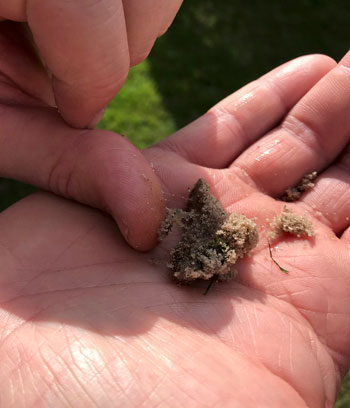
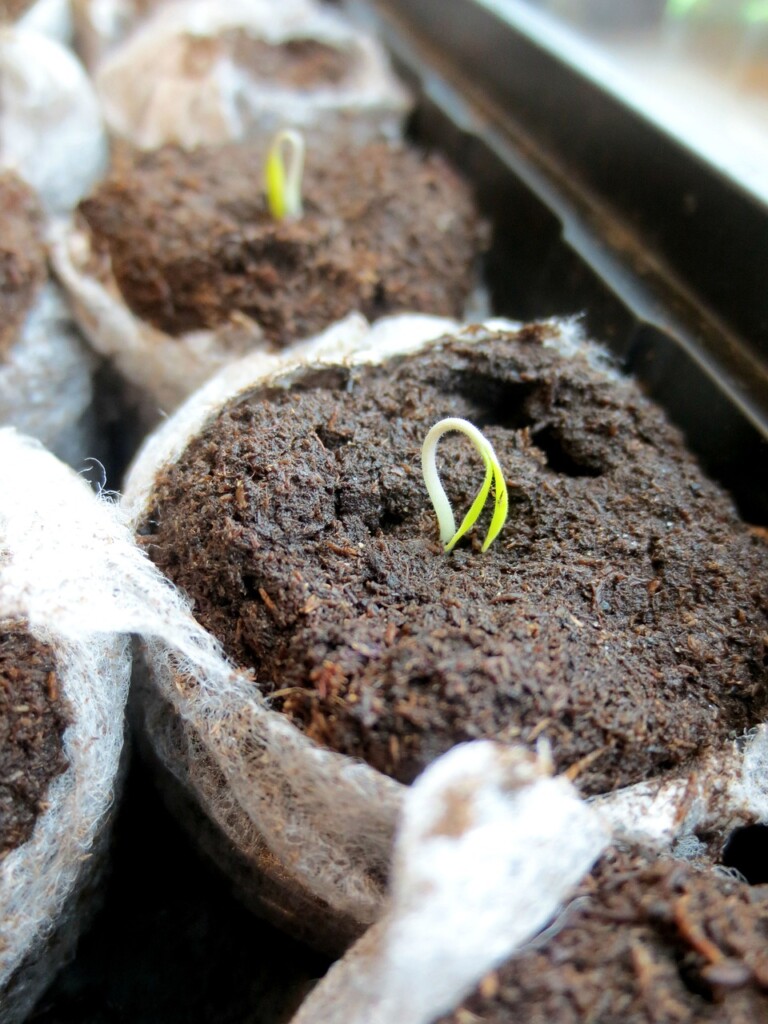
Rescaype, a water-soluble co-polymer composed of poly-acetate and polyacrylamide, mechanically restructures soil to create an ideal porous structure for better water and oxygen circulation, supporting fungi and worm growth. This restructuring leads to larger plant root growth, reduces pesticide needs due to stronger plant resistance to pests, and enhances the survival rate of young plants to 100%. It also improves heavy clay soil conditions and stabilizes soil particles with water.

The product’s impact spans various sectors, including greenhouses, where it boosts productivity and sustainability, and landscaping, where it enhances plant survival rates and reduces maintenance costs. In addition to these benefits, Rescaype addresses the global challenge of soil salination. It efficiently reduces high sodium content in topsoil, aiding in land reclamation and preventing soil degradation. By facilitating a chemical process with Calcium Sulphate, Rescaype helps convert harmful sodium in the soil into a soluble form, thus mitigating the issue of salinated topsoil. Overall, Rescaype presents a comprehensive solution to modern agricultural challenges, promoting sustainable practices while enhancing productivity and profitability across various sectors.
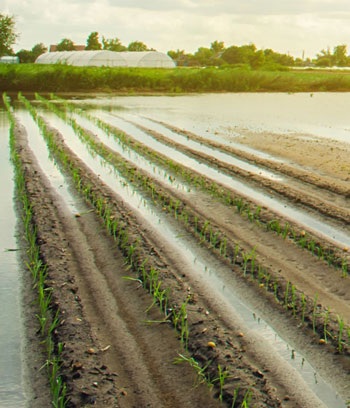
Agriculture

Rescaype enhances sustainable agriculture by reducing fertilizer and water needs, improving soil health, and increasing crop yield and quality.

Horticulture

Rescaype revolutionizes horticulture by reducing resource use, enhancing crop yields, and promoting sustainable practices for environmental and economic benefits.ssertively transition intuitive total linkage rather than pandemic potentialities. 

Greenhouses

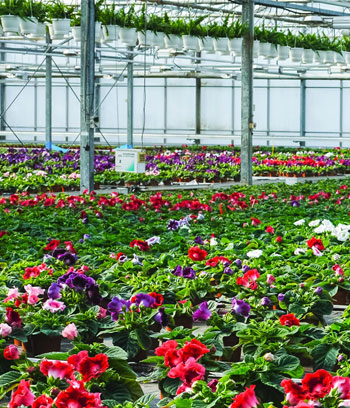
Rescaype enhances greenhouse farming by reducing resource usage, boosting crop yields, and promoting environmental sustainability and profitability.

Revolutionizing Landscaping!

Rescaype Boosts Plant Survival and Sustainability While Cutting Costs! Landscaping, a vital aspect of our environment, encompasses the design, installation, and maintenance of various outdoor spaces like gardens, parks, and sports fields. This field faces challenges such as maximizing plant survival, minimizing water usage, and maintaining sustainable practices, all while enhancing aesthetic and functional aspects of outdoor spaces.

Rescaype, a product designed for landscaping needs, addresses these challenges effectively. It increases the survival rate of young plants to 100% by improving soil health through mechanical restructuring. This process also leads to a substantial reduction in fertilizer and water requirements—up to 60% and 50% respectively. Additionally, Rescaype minimizes run-off of natural minerals, improving plant yield and quality, and is particularly effective in enhancing heavy clay soil conditions and stabilizing soil particles.

The key to Rescaype’s effectiveness lies in its composition—a water-soluble co-polymer made of 20% polyacetate and polyacrylamide. This composition allows Rescaype to create an ideal porous structure in the soil, enhancing water and oxygen circulation, and promoting the growth of fungi and worms. These conditions are crucial for significant plant root growth. Furthermore, the improved plant strength reduces the need for pesticides, as healthier plants are more resistant to pests.

For landscape professionals, Rescaype offers not just environmental benefits but also economic ones. It reduces the costs associated with fertilizers, irrigation, energy, and labor, and also decreases maintenance cycles. This combination of factors contributes to increased profitability in the landscaping sector.

Salinity and land reclamation

The global issue of high sodium content in soils, exacerbated by synthetic fertilizers and salinated groundwater, is leading to the loss of approximately 10 million hectares of arable land annually due to salination. Rescaype, a pioneering technology, efficiently tackles this problem by restoring degraded and salt-affected land. It has demonstrated the capability to reduce sodium levels from 2,000 parts per million (PPM) to below 10 PPM in less than three weeks.

Central to Rescaype’s effectiveness is its composition: a water-soluble copolymer consisting of 20% polyacetate and polyacrylamide. This unique combination enables Rescaype to mechanically restructure soils and serve as a platform for a dual chemical process. In conjunction with readily available and inexpensive Calcium Sulphate (like mined Gypsum), Rescaype facilitates soil rehabilitation in areas with high sodium content.

The process involves biodegradable, food-grade anionic polyacrylamide which, in one scenario, binds with topsoil Calcium from Calcium Sulphate, leaving a positive charge available for other bonds. This reaction isolates the Sulphate, allowing it to combine with sodium in the soil to form Sodium Sulphate (Na2SO4), a compound highly soluble in water. This newly formed Sodium Sulphate is then naturally percolated or washed away from the topsoil, effectively reducing the soil’s sodium content and reversing the effects of salination.

About Us

We now have achieved the means to deliver upon our dream – with Rescaype® 

Rescaype® technology is based on over 75 years of global research. It is an established concept with proven positive results in recent applications, showing consistent positive growth of roots and increased plant yields. 

Rescaype® helps retain soil moisture and promotes efficient nutrient exchange.  The nutrition remains close to the root system, minimising leakage to groundwater, lakes and coastal regions. 

It keeps the soil porous, and therefore less cracking during droughts.
Rescaype® creates space for water and oxygen to penetrate the soil resulting in more efficient use of water, providing greater yields and increased quality crops. 

Rescaype® naturally becomes a part of and a facilitator in the soil. 

Our mission is quite clear. We want to provide future generations with abundant, unspoiled land, where plants have a greater chance to grow and flourish. Where the world’s waterways and coastal regions are re-stored to produce more aquatic life.Basically, there are two ways to go; the same way, or a new way. We have walked the same path for too long. Now it’s time to try a new path.We now have achieved the means to deliver upon our dream – with Ground Improver. 

Ground Improver technology is based on over 75 years of global research. It is an established concept with proven positive results in recent applications, showing consistent positive growth of roots and increased plant yields.Ground Improver helps retain soil moisture and promotes efficient nutrient exchange.  The nutrition remains close to the root system, minimising leakage to groundwater, lakes, and coastal regions.It keeps the soil porous, and therefore less cracking during droughts.Ground Improver creates space for water and oxygen to penetrate the soil, resulting in more efficient use of water, providing greater yields and increased quality crops.Ground Improver naturally becomes a part of and a facilitator in the soil. 

The Technology

The technology presented involves a breakthrough in global polymer research, culminating after 75 years of development. This advancement has made it possible to effectively and commercially use polymers in crop production. Central to this technology is a unique comminution mill that micronizes polyacrylamide (CAS nr 25987-30-8). This milling process is distinct from conventional grinding as it employs high-frequency physical forces like velocity and pressure, yet does not compromise the molecular characteristics of the material.

As a result of this innovative process, a high-quality, biodegradable, food-grade polymer is reduced from a size of 4000 microns to just 50 microns. Crucially, this reduction in size does not alter the essential molecular characteristics of the polymer. Due to its significantly reduced size and preserved molecular properties, this polymer can effectively enhance soil conditions, thus benefiting plant growth and contributing to sustainable agricultural practices.

Climate impact 


According to the United Nations and World Wildlife Fund, 50% of the World’s habitable land is used for agriculture and closed for wildlife and 50% of those agricultural soils are already degraded by intensive farming and overuse of fertilizers like nitrogen etc. 20% of the World’s irrigated land is affected by salinity and 10 million hectares of agricultural land is lost to soil salinization worldwide every year. 30% of the global population is moderately or severely food insecure, and 3 billion people live in agricultural areas with water shortages or scarcity. 

According to IPCC agriculture accounts for over 10% of global greenhouse gas emissions. Agriculture is both a contributor to and a victim of climate change, as it is responsible for a significant portion of greenhouse gas emissions, while also being vulnerable to the impacts of climate change, such as droughts, floods, and extreme weather events. 

Soil is the biggest and most fundamental ecosystem on our planet – the bases of nature, food, fresh water, and our existence. Over 90% of the food we eat comes from the soil and by 2050, 90% of Earth’s soils could be degraded, unless we act now. Soil productivity growth is a critical component of sustainable plant production and agricultural systems, as it enables plant growers and farmers to produce more plants with fewer resources, while also protecting the environment. Addressing agricultural climate impact is critical for achieving sustainable agriculture and food systems, ensuring global food security, and mitigating the effects of climate change. 

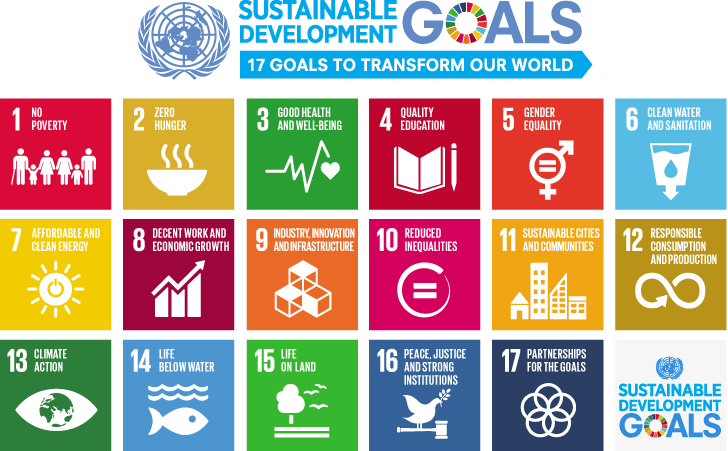
This is why we are entering the market with our innovative product with a mission to make our planet Earth sustainable through soil innovation. And our mission and our team are guided by United Nations’ 17 sustainable development goals: 

Carbon Credit Matters

Carbon credits are a way to incentivize reducing carbon emissions or removing carbon from the atmosphere by creating a market for carbon. In agriculture, carbon credits can be earned through practices that sequester carbon in the soil or reduce greenhouse gas emissions from agricultural activities. 

Ways to earn carbon credits in agriculture is using conservation tillage practices or for example through the use of cover crops, which can help sequester carbon in the soil and reduce the need for synthetic fertilizers, which can reduce greenhouse gas emissions from fertilizer production and use. 

Using our product creates another method for farmers to reduce greenhouse gas emissions. With our product Rescaype, a farmer can use fewer fertilizers, less water, and fewer pesticides, while increasing yields, profits and generating carbon credits. In other words, making more with less and saving nature. 

Farmers can earn carbon credits by measuring and verifying the amount of carbon sequestered or emissions reduced through these practices. These credits can then be sold on the carbon market to companies or individuals who want to offset their carbon footprint. This creates a financial incentive for farmers to adopt these practices that are good for the environment and can help mitigate climate change. 

Contact us

Phone: